International Chemical Safety Cards
| TRICHLOROETHYLENE | ICSC: 0081 |


1,1,2-Trichloroethylene Trichloroethene Ethylene trichloride C2HCl3/ClCH=CCl2 Molecular mass: 131.4 
 CAS # 79-01-6
RTECS # KX4550000 ICSC # 0081 UN # 1710 EC # 602-027-00-9 |
|
TYPES OF HAZARD/ EXPOSURE |
ACUTE HAZARDS/ SYMPTOMS |
PREVENTION |
FIRST AID/ FIRE FIGHTING |
| FIRE |
Combustible under specific conditions.
See Notes.
|
|
In case of fire in the surroundings: all extinguishing agents allowed.
|
| EXPLOSION |
Risk of fire and explosion (see Chemical Dangers).
|
|
In case of fire: keep drums, etc., cool by spraying with water.
|
| EXPOSURE |
|
|
|
|
|
Dizziness.
Drowsiness.
Headache.
Weakness.
Unconsciousness.
|
Ventilation, local exhaust, or breathing protection.
|
Fresh air, rest.
Artificial respiration if indicated.
Refer for medical attention.
|
|
|
Dry skin.
Redness.
|
Protective gloves.
|
Remove contaminated clothes.
Rinse and then wash skin with water and soap.
|
|
|
Redness.
Pain.
|
Safety spectacles.
|
First rinse with plenty of water for several minutes (remove contact lenses if easily possible), then take to a doctor.
|
|
|
Abdominal pain
(further see Inhalation).
|
Do not eat, drink, or smoke during work.
Wash hands before eating.
|
Rinse mouth.
Do NOT induce vomiting.
Give plenty of water to drink.
Rest.
|
| SPILLAGE DISPOSAL | STORAGE | PACKAGING & LABELLING | ||
|
Ventilation.
Collect leaking and spilled liquid in sealable containers as far as possible.
Absorb remaining liquid in sand or inert absorbent and remove to safe place
(extra personal protection: self-contained breathing apparatus).
|
Separated from metals (see Chemical Dangers),
strong bases,
food and feedstuffs.
Dry.
Keep in the dark.
Ventilation along the floor.
|
Do not transport with food and feedstuffs.
IMO: Marine Pollutant
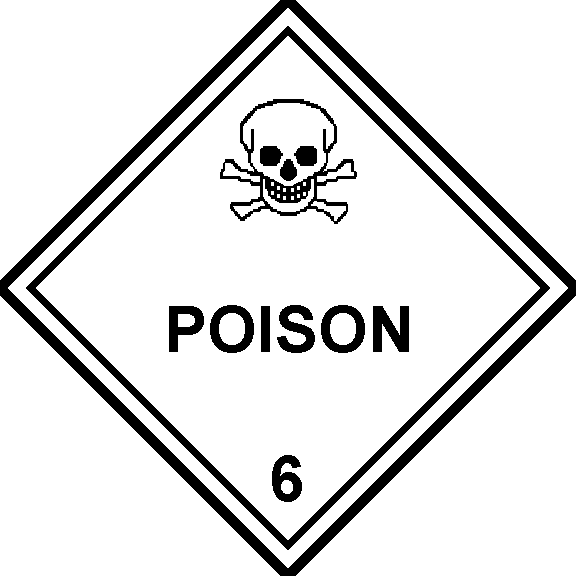
Xn symbol R: 40 S: 23-36/37 UN Hazard Class: 6.1 UN Packing Group: III |
||
| SEE IMPORTANT INFORMATION ON BACK | ||||
|
||||