International Chemical Safety Cards
| NITROGLYCERIN | ICSC: 0186 |


Glyceryl trinitrate 1,2,3-Propanetriol trinitrate Blasting oil C3H5N3O9/C3H5(NO3)3 Molecular mass: 227.1 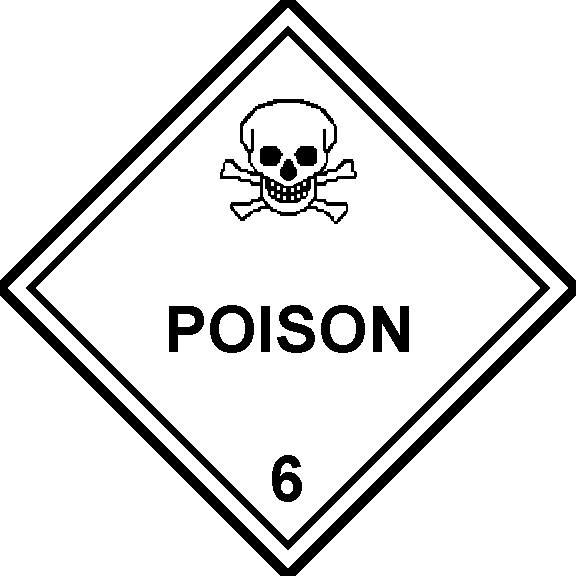
 CAS # 55-63-0
 RTECS # QX2100000 ICSC # 0186 UN # 0143 (Desensitized) EC # 603-034-00-X |
|
TYPES OF HAZARD/ EXPOSURE |
ACUTE HAZARDS/ SYMPTOMS |
PREVENTION |
FIRST AID/ FIRE FIGHTING |
| FIRE |
Explosive.
Many reactions may cause fire or explosion.
Gives off irritating or toxic fumes (or gases) in a fire.
|
NO open flames, NO sparks, and NO smoking.
NO contact with hot surfaces.
|
Powder, water spray, foam, carbon dioxide.
|
| EXPLOSION |
Risk of fire and explosion.
|
Closed system, ventilation, explosion-proof electrical equipment and lighting.
Use non-sparking handtools.
Do NOT expose to friction or shock.
|
In case of fire: keep drums, etc., cool by spraying with water.
Combat fire from a sheltered position.
|
| EXPOSURE |
|
STRICT HYGIENE!
|
|
|
|
Abdominal cramps.
Blue lips or finger nails.
Blue skin.
Dizziness.
Headache.
Laboured breathing.
Nausea.
Vomiting.
|
Ventilation, local exhaust, or breathing protection.
|
Fresh air, rest.
Refer for medical attention.
|
|
|
MAY BE ABSORBED!
(Further see Inhalation).
|
Protective gloves.
Protective clothing.
|
Remove contaminated clothes.
Rinse and then wash skin with water and soap.
Refer for medical attention.
|
|
|
Redness.
Pain.
|
Face shield
or eye protection in combination with breathing protection.
|
First rinse with plenty of water for several minutes (remove contact lenses if easily possible), then take to a doctor.
|
|
|
(further see Inhalation).
|
Do not eat, drink, or smoke during work.
Wash hands before eating.
|
Rinse mouth.
Refer for medical attention.
|
| SPILLAGE DISPOSAL | STORAGE | PACKAGING & LABELLING | ||
|
Evacuate danger area!
Consult an expert!
Shut off ignition sources.
Collect leaking and spilled liquid in sealable containers as far as possible.
Absorb remaining liquid in sand or inert absorbent and remove to safe place.
Do NOT wash away into sewer
(extra personal protection: complete protective clothing including self-contained breathing apparatus).
|
Fireproof.
Separated from
food and feedstuffs.
Well closed.
Store only if stabilized.
|
Do not transport with food and feedstuffs.
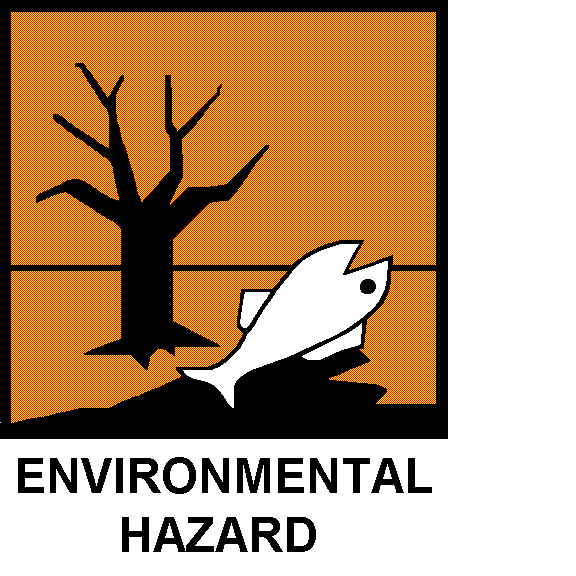
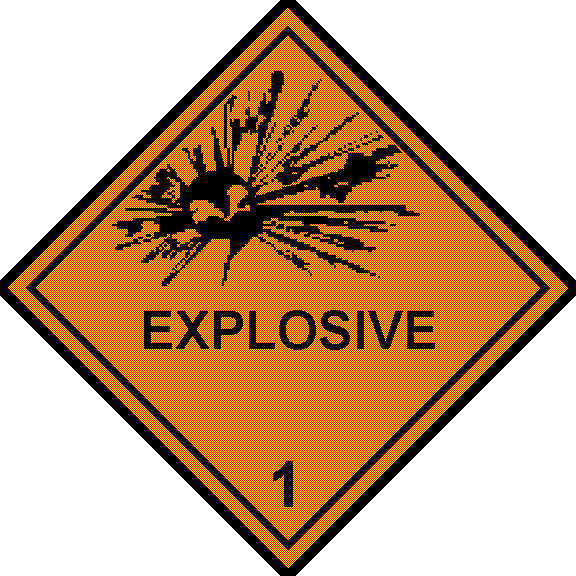
E symbol T+ symbol R: 3-26/27/28-33 S: (1/2-)33-35-36/37-45 UN Hazard Class: 1.1D (Desensitized) UN Subsidiary Risks: 6.1 (Desensitized) UN Packing Group: II |
||
| SEE IMPORTANT INFORMATION ON BACK | ||||
|
||||