International Chemical Safety Cards
| AMMONIUM NITRATE | ICSC: 0216 |


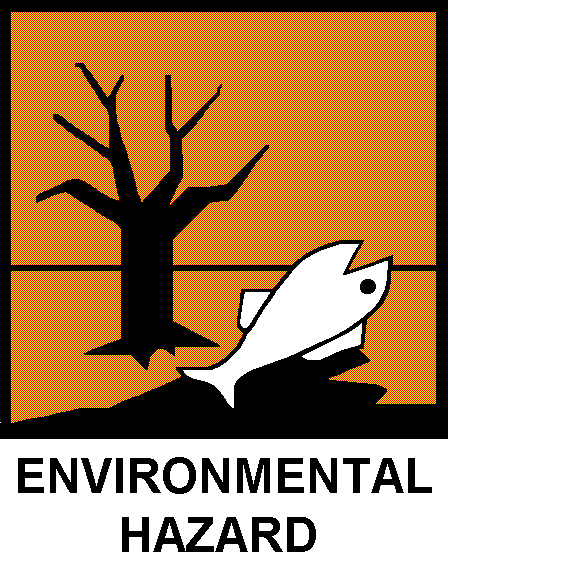
Nitric acid, ammonium salt NH4NO3 Molecular mass: 80.1 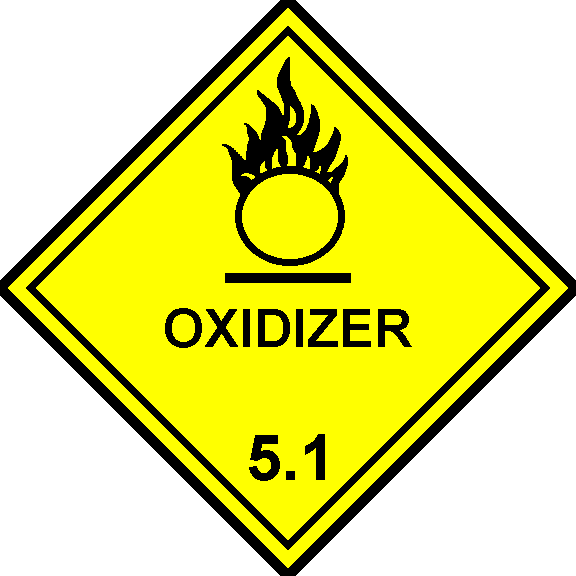 CAS # 6484-52-2
RTECS # BR9050000 ICSC # 0216 UN # 1942 |
|
TYPES OF HAZARD/ EXPOSURE |
ACUTE HAZARDS/ SYMPTOMS |
PREVENTION |
FIRST AID/ FIRE FIGHTING |
| FIRE |
Not combustible but enhances combustion of other substances.
Explosive.
Gives off irritating or toxic fumes (or gases) in a fire.
|
NO contact with combustable or reducing agents.
|
Water in large amounts.
NO other extinguishing agents.
In case of fire in the surroundings: use flooding amounts of water in the early stages.
|
| EXPLOSION |
Risk of fire and explosion under confinement and high temperatures.
|
|
In case of fire: keep drums, etc., cool by spraying with water.
Combat fire from a sheltered position.
Evacuate danger area.
|
| EXPOSURE |
|
PREVENT DISPERSION OF DUST!
|
|
|
|
Cough.
Headache.
Sore throat
(see Ingestion).
|
Local exhaust or breathing protection.
|
Fresh air, rest.
Artificial respiration if indicated.
Refer for medical attention.
|
|
|
Redness.
|
Protective gloves.
|
First rinse with plenty of water, then remove contaminated clothes and rinse again.
Refer for medical attention.
|
|
|
Redness.
Pain.
|
Safety goggles.
|
First rinse with plenty of water for several minutes (remove contact lenses if easily possible), then take to a doctor.
|
|
|
Abdominal pain.
Blue lips or fingernails.
Blue skin.
Convulsions.
Diarrhoea.
Dizziness.
Vomiting.
Weakness
(further see Inhalation).
|
Do not eat, drink, or smoke during work.
|
Rinse mouth.
Refer for medical attention.
|
| SPILLAGE DISPOSAL | STORAGE | PACKAGING & LABELLING | ||
|
Sweep spilled substance into non-combustible containers.
Wash away remainder with plenty of water.
|
Provision to contain effluent from fire extinguishing.
Separated from
combustible and reducing substances.
Dry.
|
UN Hazard Class: 5.1 UN Packing Group: III |
||
| SEE IMPORTANT INFORMATION ON BACK | ||||
|
||||