International Chemical Safety Cards
| ETHYLENE | ICSC: 0475 |


Ethene (cylinder) C2H4/CH2=CH2 Molecular mass: 28.0 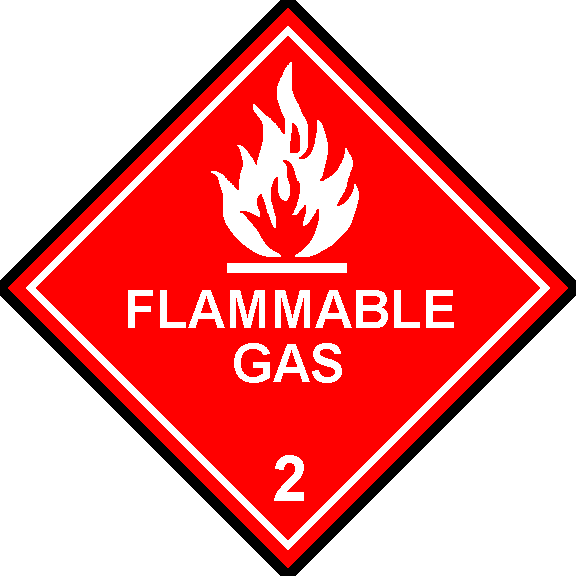 CAS # 74-85-1 1
RTECS # KU5340000 ICSC # 0475 UN # 1962 EC # 601-010-00-3 |
|
TYPES OF HAZARD/ EXPOSURE |
ACUTE HAZARDS/ SYMPTOMS |
PREVENTION |
FIRST AID/ FIRE FIGHTING |
| FIRE |
Extremely flammable.
|
NO open flames, NO sparks, and NO smoking.
|
Shut off supply; if not possible and no risk to surroundings, let the fire burn itself out; in other cases extinguish with
water spray.
|
| EXPLOSION |
Gas/air mixtures are explosive.
|
Closed system, ventilation, explosion-proof electrical equipment and lighting.
Prevent build-up of electrostatic charges (e.g., by grounding).
Use non-sparking handtools.
|
In case of fire: keep cylinder cool by spraying with water.
Combat fire from a sheltered position.
|
| EXPOSURE |
|
|
|
|
|
Drowsiness.
Unconsciousness.
|
Ventilation.
|
Fresh air, rest.
Artificial respiration if indicated.
Refer for medical attention.
|
|
|
|
|
|
|
|
|
|
|
|
|
|
|
|
| SPILLAGE DISPOSAL | STORAGE | PACKAGING & LABELLING | ||
|
Evacuate danger area!
Ventilation.
Eliminate ignition sources and turn off gas at source if possible
(extra personal protection: chemical suit with self-contained breathing apparatus).
|
Fireproof.
Separated from
strong oxidants.
|
F+ symbol R: 12 S: (2-)9-16-33 UN Hazard Class: 2.1 |
||
| SEE IMPORTANT INFORMATION ON BACK | ||||
|
||||