International Chemical Safety Cards
| BUTYLENE OXIDE (STABILIZED) | ICSC: 0636 |


1,2-Butene oxide 1,2-Epoxybutane Ethyloxirane C4H8O Molecular mass: 72.12 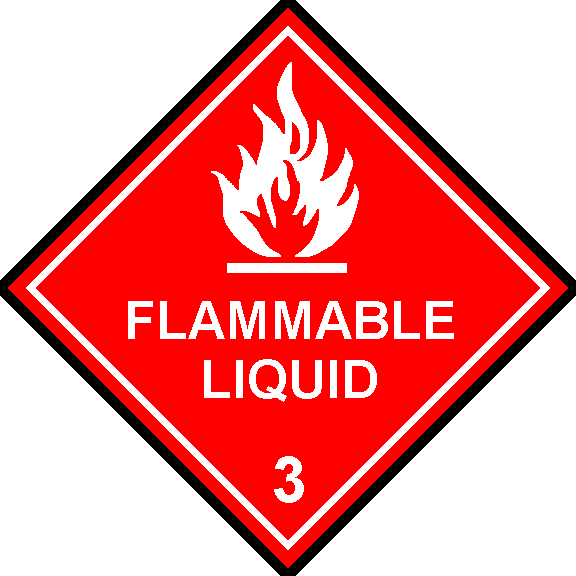 CAS # 106-88-7
 RTECS # EK3675000 ICSC # 0636 UN # 3022 EC # 603-102-00-9 |
|
TYPES OF HAZARD/ EXPOSURE |
ACUTE HAZARDS/ SYMPTOMS |
PREVENTION |
FIRST AID/ FIRE FIGHTING |
| FIRE |
Highly flammable.
|
NO open flames, NO sparks, and NO smoking.
|
Foam,
alcohol-resistant foam,
powder,
carbon dioxide.
|
| EXPLOSION |
Vapour/air mixtures are explosive.
Risk of fire and explosion on contact with oxidants, acid(s), metal chlorides.
|
Closed system, ventilation, explosion-proof electrical equipment and lighting.
Prevent build-up of electrostatic charges (e.g., by grounding).
|
In case of fire: keep drums, etc., cool by spraying with water.
|
| EXPOSURE |
|
AVOID ALL CONTACT!
|
|
|
|
Confusion.
Cough.
Dizziness.
Headache.
Laboured breathing.
Nausea.
Sore throat.
Unconsciousness.
|
Closed system and ventilation.
|
Fresh air, rest.
Artificial respiration if indicated.
Refer for medical attention.
|
|
|
Redness.
|
Protective gloves.
Protective clothing.
|
First rinse with plenty of water, then remove contaminated clothes and rinse again.
Refer for medical attention.
|
|
|
Redness.
Pain.
|
Safety goggles,
or eye protection in combination with breathing protection.
|
First rinse with plenty of water for several minutes (remove contact lenses if easily possible), then take to a doctor.
|
|
|
Abdominal pain.
(See Inhalation).
|
Do not eat, drink, or smoke during work.
|
Rinse mouth.
Induce vomiting (ONLY IN CONSCIOUS PERSONS!).
Rest.
Refer for medical attention.
|
| SPILLAGE DISPOSAL | STORAGE | PACKAGING & LABELLING | ||
|
Evacuate danger area in case of large spills!
Collect leaking liquid in sealable containers.
Absorb remaining liquid in sand or inert absorbent and remove to safe place.
Do NOT wash away into sewer
(extra personal protection: filter respirator for organic vapours of low boiling compounds).
|
Fireproof.
Separated from incompatible material.
See Chemical Dangers.
Cool.
Store only if stabilized.
|
Airtight.
F symbol Xn symbol R: 11-20/21/22-36/37/38-40 S: (2-)9-16-29-36/37 UN Hazard Class: 3 UN Packing Group: II |
||
| SEE IMPORTANT INFORMATION ON BACK | ||||
|
||||