International Chemical Safety Cards
| PHOSPHINE | ICSC: 0694 |


Phosphorus trihydride Hydrogen phosphide (cylinder) PH3 Molecular mass: 34.00 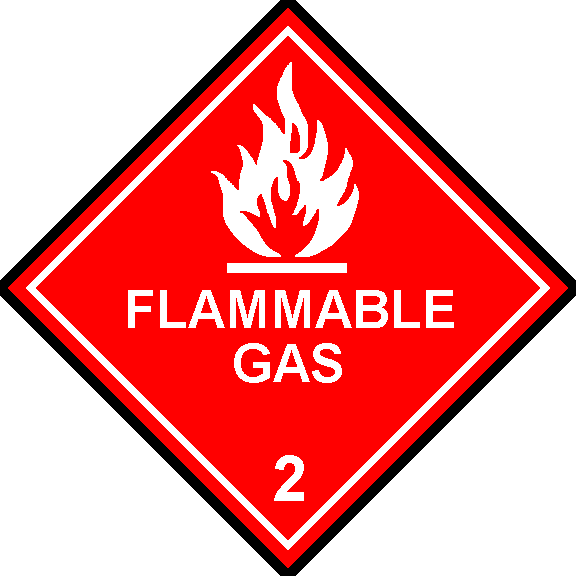
 CAS # 7803-51-2
 RTECS # SY7525000 ICSC # 0694 UN # 2199 |
|
TYPES OF HAZARD/ EXPOSURE |
ACUTE HAZARDS/ SYMPTOMS |
PREVENTION |
FIRST AID/ FIRE FIGHTING |
| FIRE |
Extremely flammable.
Gives off irritating or toxic fumes (or gases) in a fire.
|
NO open flames, NO sparks, and NO smoking.
NO contact with hot surfaces.
|
Shut off supply; if not possible and no risk to surroundings, let the fire burn itself out; in other cases extinguish with
powder, carbon dioxide.
|
| EXPLOSION |
Gas/air mixtures are explosive.
|
Closed system, ventilation, explosion-proof electrical equipment and lighting.
|
In case of fire: keep cylinder cool by spraying with water.
Combat fire from a sheltered position.
|
| EXPOSURE |
|
STRICT HYGIENE!
|
IN ALL CASES CONSULT A DOCTOR!
|
|
|
Cough.
Nausea.
Burning sensation.
Diarrhoea.
Abdominal pain.
Headache.
Dizziness.
Dullness.
Ataxia.
Pain and tightness in the chest. Tremors.
Shortness of breath.
Vomiting.
Convulsions.
|
Breathing protection.
|
Fresh air, rest.
Half-upright position.
Artificial respiration if indicated.
Refer for medical attention.
|
|
|
ON CONTACT WITH LIQUID: FROSTBITE.
|
Cold-insulating gloves.
Protective clothing.
|
ON FROSTBITE: rinse with plenty of water, do NOT remove clothes.
Refer for medical attention.
|
|
|
|
Safety goggles,
or eye protection in combination with breathing protection.
|
First rinse with plenty of water for several minutes (remove contact lenses if easily possible), then take to a doctor.
|
|
|
|
|
|
| SPILLAGE DISPOSAL | STORAGE | PACKAGING & LABELLING | ||
|
Evacuate danger area!
Consult an expert!
Ventilation
(extra personal protection: chemical protection suit including self-contained breathing apparatus).
|
Fireproof.
|
UN Hazard Class: 2.3 UN Subsidiary Risks: 2.1 |
||
| SEE IMPORTANT INFORMATION ON BACK | ||||
|
||||