International Chemical Safety Cards
| SELENIUM OXYCHLORIDE | ICSC: 0948 |


Selenium chloride oxide Seleninyl chloride SeOCl2 Molecular mass: 165.9 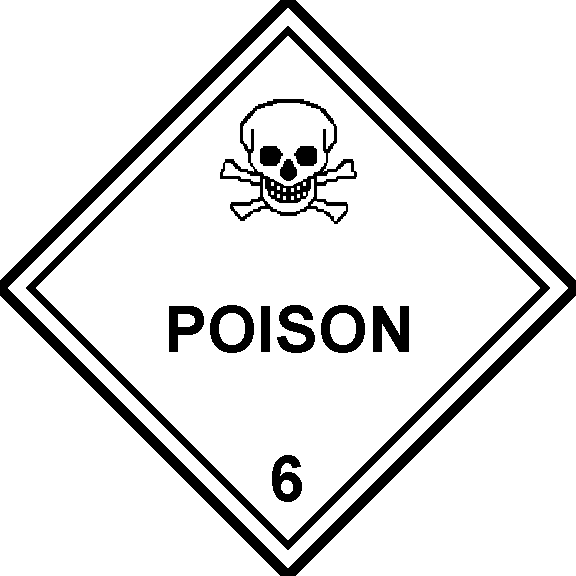
 CAS # 7791-23-3
RTECS # VS7000000 ICSC # 0948 UN # 2879 EC # 034-002-00-8 |
|
TYPES OF HAZARD/ EXPOSURE |
ACUTE HAZARDS/ SYMPTOMS |
PREVENTION |
FIRST AID/ FIRE FIGHTING |
| FIRE |
Not combustible.
|
|
In case of fire in the surroundings: all extinguishing agents allowed.
|
| EXPLOSION |
|
|
|
| EXPOSURE |
|
STRICT HYGIENE!
|
|
|
|
Burning sensation.
Cough.
Laboured breathing.
Sore throat.
|
Ventilation, local exhaust, or breathing protection.
|
Fresh air, rest.
Half-upright position.
Artificial respiration if indicated.
Refer for medical attention.
|
|
|
Corrosive.
MAY BE ABSORBED!
Redness.
Pain.
Blisters.
|
Protective gloves.
Protective clothing.
|
Remove contaminated clothes.
Rinse skin with plenty of water or shower.
Refer for medical attention.
|
|
|
Redness.
Pain.
Blurred vision.
Severe deep burns.
|
Face shield
or eye protection in combination with breathing protection.
|
First rinse with plenty of water for several minutes (remove contact lenses if easily possible), then take to a doctor.
|
|
|
Abdominal cramps.
Confusion.
Nausea.
Sore throat.
Hypotention.
|
Do not eat, drink, or smoke during work.
|
Rinse mouth.
Do NOT induce vomiting.
Refer for medical attention.
|
| SPILLAGE DISPOSAL | STORAGE | PACKAGING & LABELLING | ||
|
Ventilation.
Collect leaking liquid in sealable containers.
Absorb remaining liquid in dry sand or inert absorbent and remove to safe place.
NEVER direct water jet on liquid
(extra personal protection: complete protective clothing including self-contained breathing apparatus).
|
Separated from metal oxides, white phosphorous and kalium,
strong bases.
Dry.
Ventilation along the floor.
|
T symbol R: 23/25-33 S: 20/21-28-44 Note: A UN Hazard Class: 8 UN Subsidiary Risks: 6.1 UN Packing Group: I |
||
| SEE IMPORTANT INFORMATION ON BACK | ||||
|
||||