International Chemical Safety Cards
| LITHIUM CARBONATE | ICSC: 1109 |


Carbonic acid, lithium salt Dilithium carbonate Li2CO3 Molecular mass: 73.9 
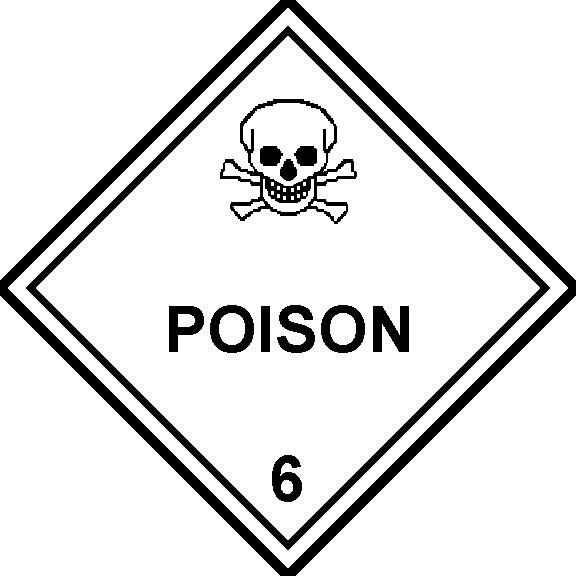 CAS # 554-13-2
RTECS # OJ5800000 ICSC # 1109 UN # 2811 |
|
TYPES OF HAZARD/ EXPOSURE |
ACUTE HAZARDS/ SYMPTOMS |
PREVENTION |
FIRST AID/ FIRE FIGHTING |
| FIRE |
Not combustible.
|
|
In case of fire in the surroundings: all extinguishing agents allowed.
|
| EXPLOSION |
|
|
|
| EXPOSURE |
|
PREVENT DISPERSION OF DUST!
|
|
|
|
Burning sensation.
Cough.
Sore throat.
|
Local exhaust or breathing protection.
|
Fresh air, rest.
Refer for medical attention.
|
|
|
Redness.
|
Protective gloves.
|
Remove contaminated clothes.
Rinse skin with plenty of water or shower.
Refer for medical attention.
|
|
|
Redness.
Pain.
|
Safety goggles
or eye protection in combination with breathing protection.
|
First rinse with plenty of water for several minutes (remove contact lenses if easily possible), then take to a doctor.
|
|
|
Abdominal cramps.
Abdominal pain.
Confusion.
Diarrhoea.
Drowsiness.
Nausea.
Vomiting.
|
Do not eat, drink, or smoke during work.
|
Rinse mouth.
Give plenty of water to drink.
Refer for medical attention.
|
| SPILLAGE DISPOSAL | STORAGE | PACKAGING & LABELLING | ||
|
Sweep spilled substance into containers.
Wash away remainder with plenty of water
(extra personal protection: P2 filter respirator for harmful particles).
|
Separated from
strong acids,
food and feedstuffs, fluorine.
Dry.
Well closed.
Keep in a well-ventilated room.
|
Do not transport with food and feedstuffs.
UN Hazard Class: 6.1 UN Packing Group: III |
||
| SEE IMPORTANT INFORMATION ON BACK | ||||
|
||||